Instrument sound guides
Learn common instruments through origins, timbre, arrangement roles and representative works.
Strings
13 instruments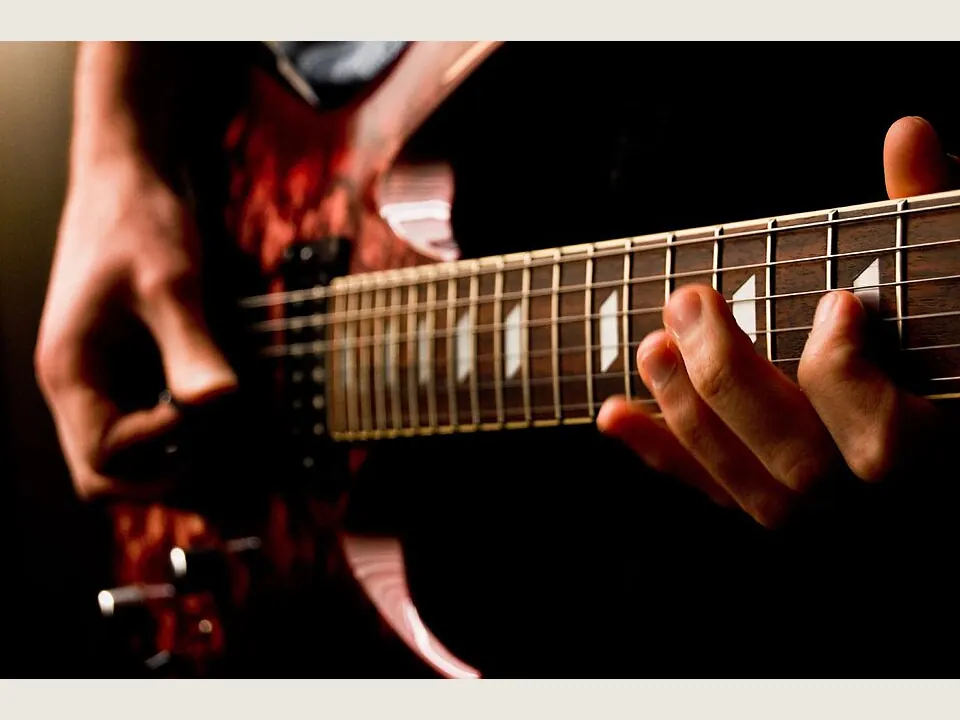 E
EElectric Guitar
United States, 1930s
Strings
 A
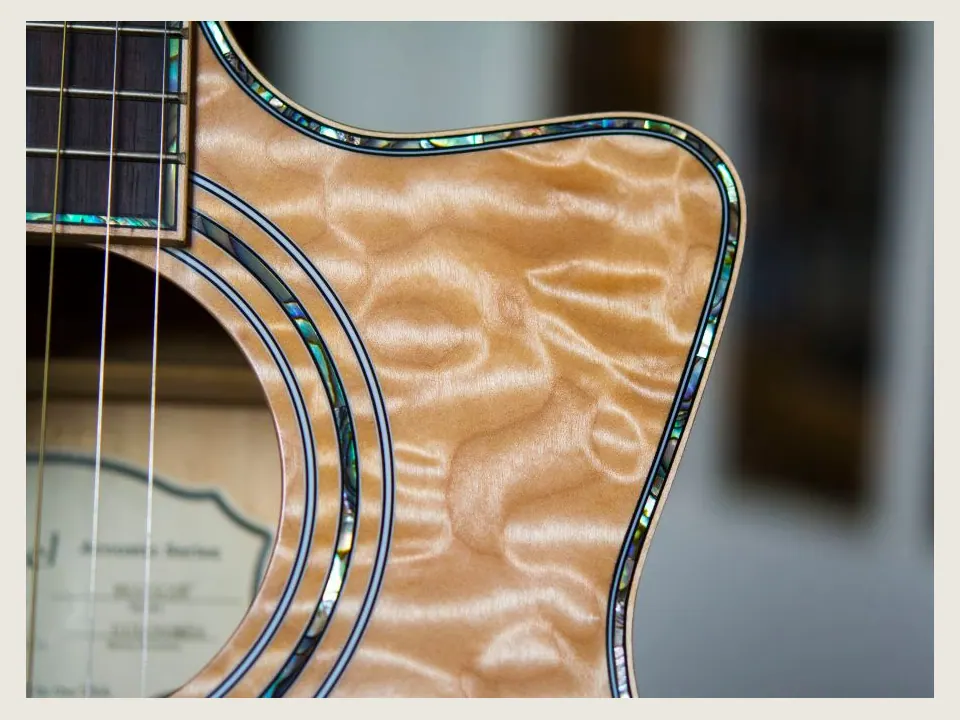
AAcoustic Guitar
European roots; modern steel-string form developed in the United States
Strings
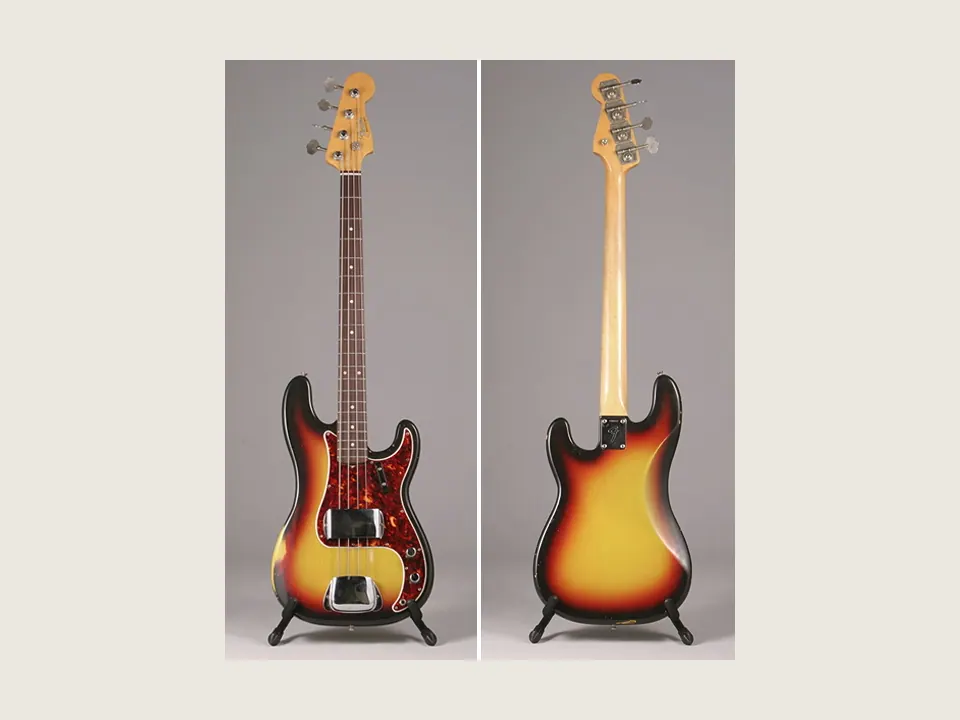 B
BBass Guitar
United States, mid-twentieth century
Strings
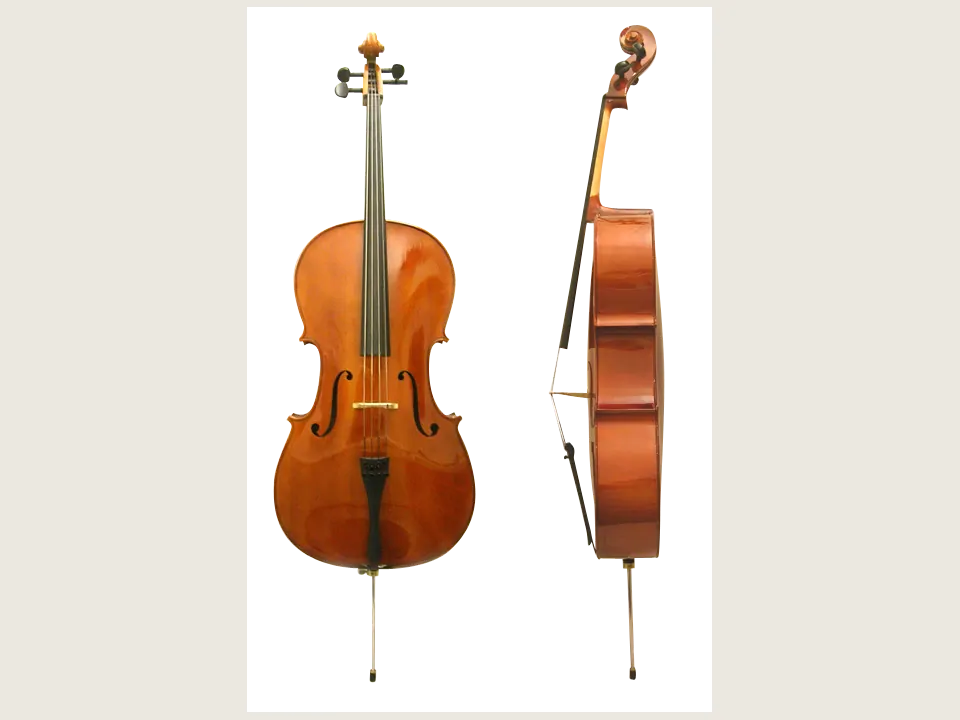 C
CCello
Italy, sixteenth century
Strings
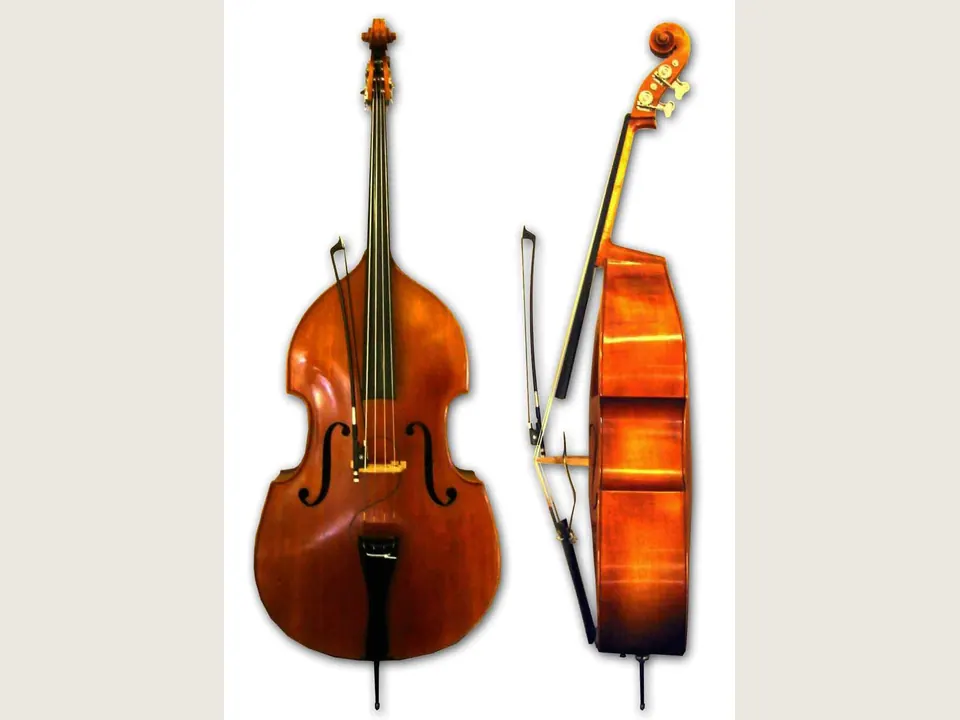 D
DDouble Bass
Europe, taking shape around the sixteenth century
Strings
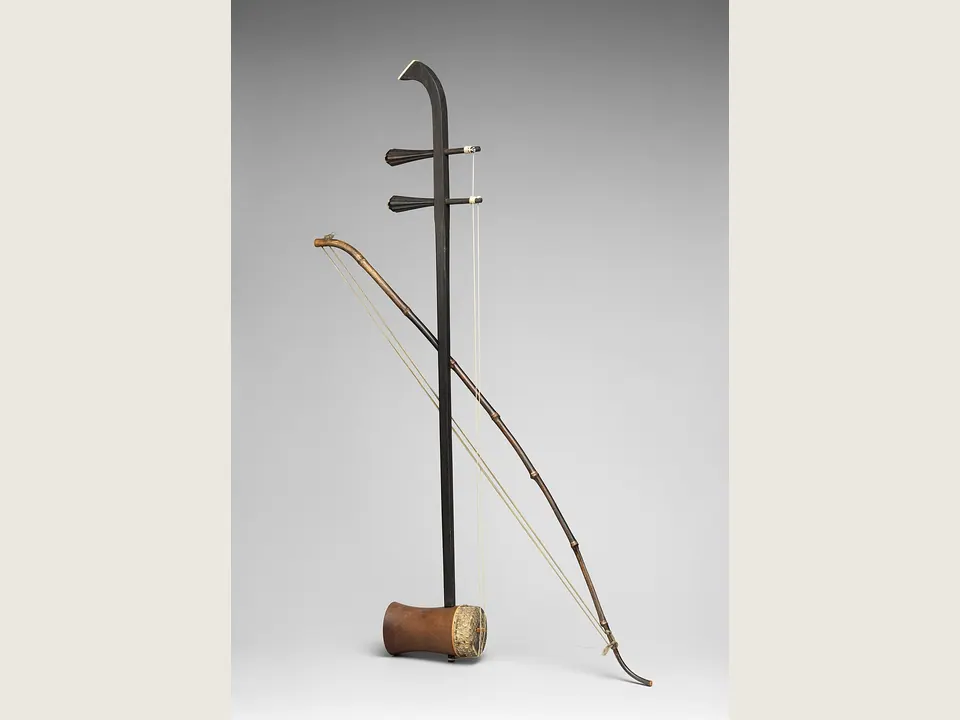 E
EErhu
China; developed from older huqin traditions and gained a modern solo repertory in the twentieth century
Strings
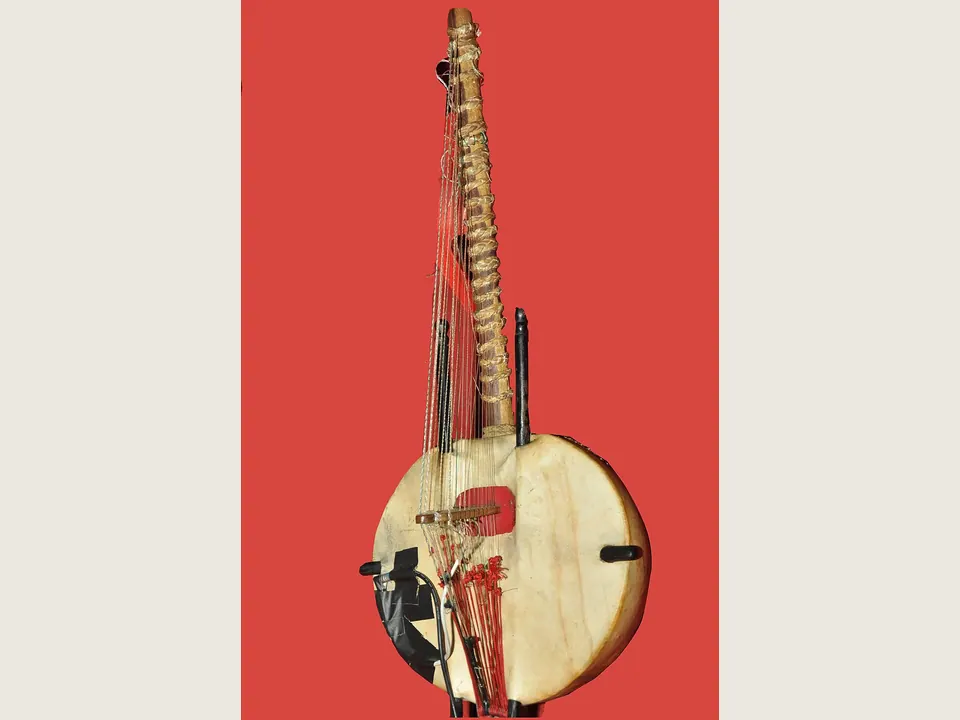 K
KKora
Mande cultural region of West Africa
Strings
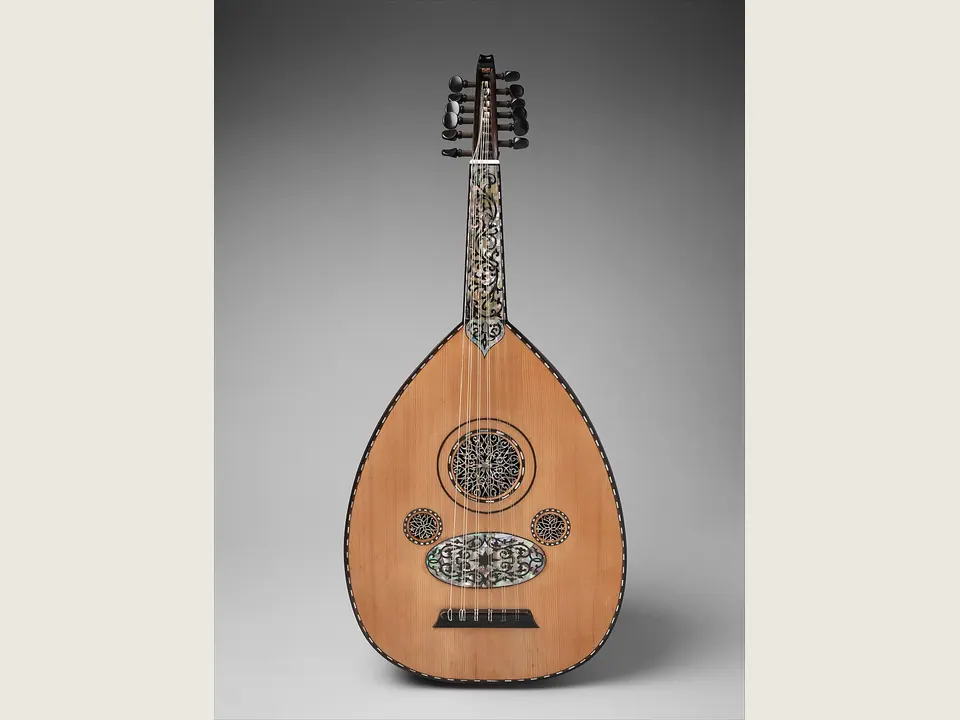 O
OOud
Middle East and North Africa; part of an ancient fretless short-necked lute tradition
Strings
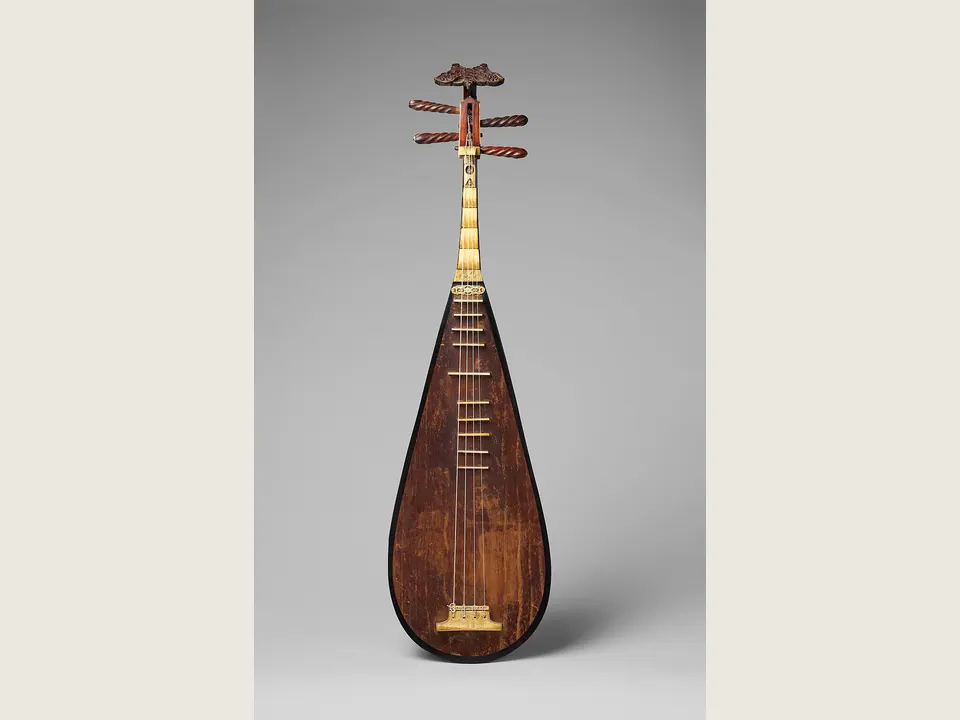 P
PPipa
China; developed over centuries through Central Asian and local plucked-string traditions
Strings
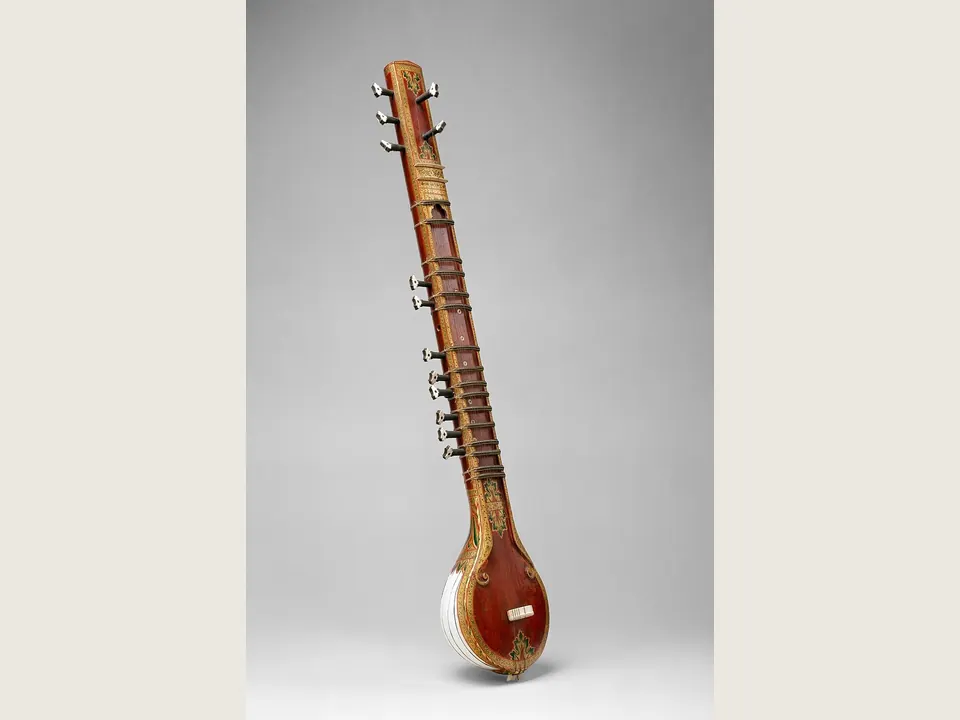 S
SSitar
Indian subcontinent; modern form emerged around the eighteenth century
Strings
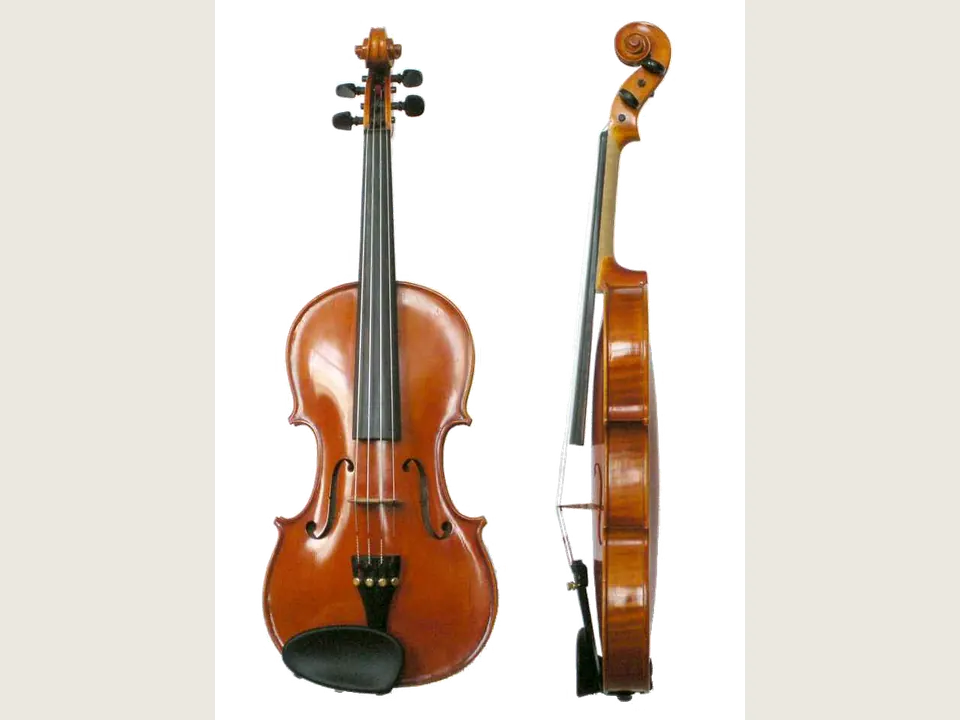 V
VViolin
Northern Italy, sixteenth century
Strings
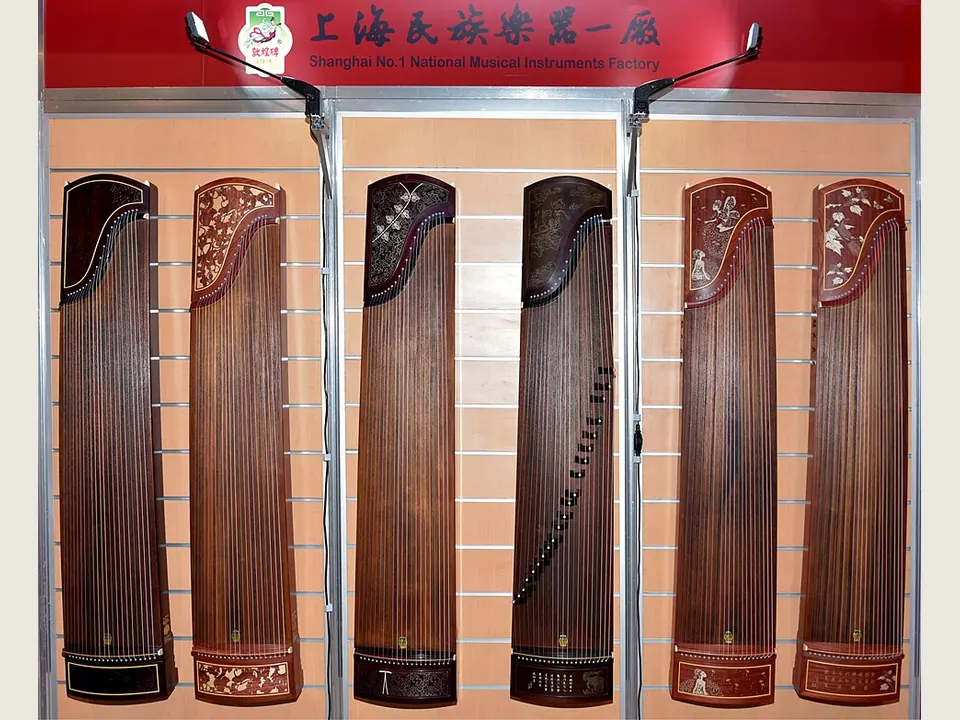 G
GGuzheng
China, with roots reaching at least to the Warring States and Qin-Han eras
Strings
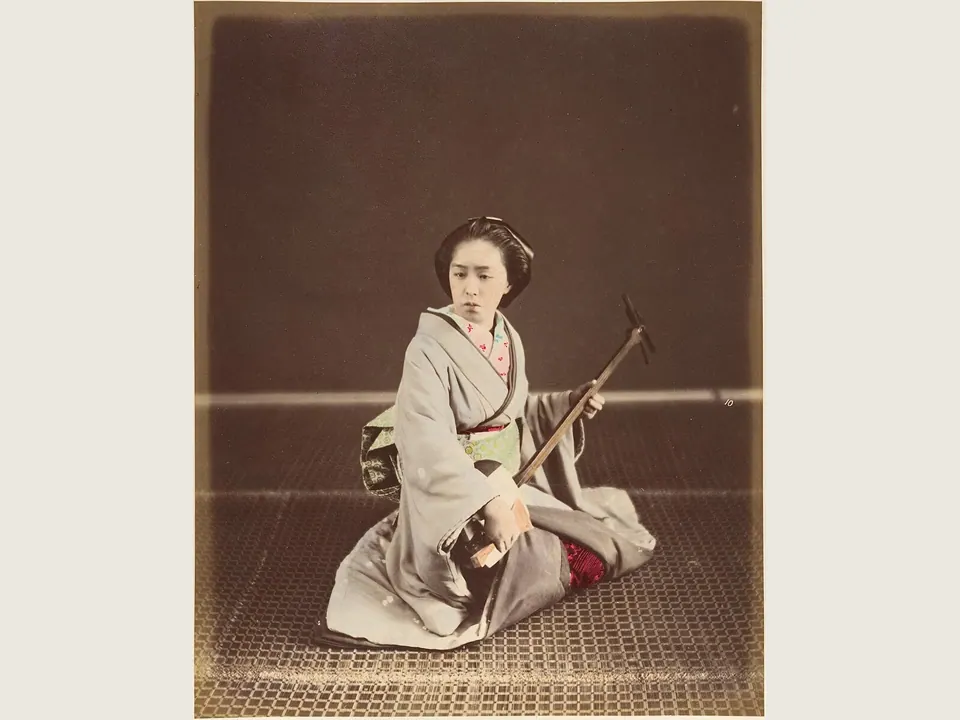 S
SShamisen
Japan, sixteenth century; developed through instruments including the Ryukyuan sanshin
Strings
Electronic
3 instruments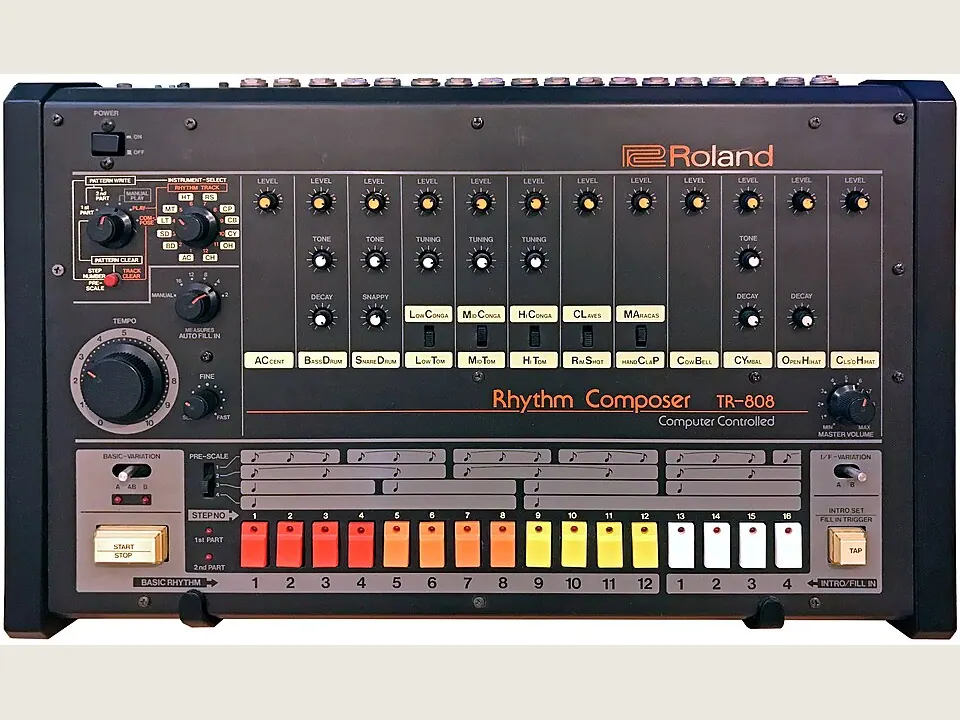
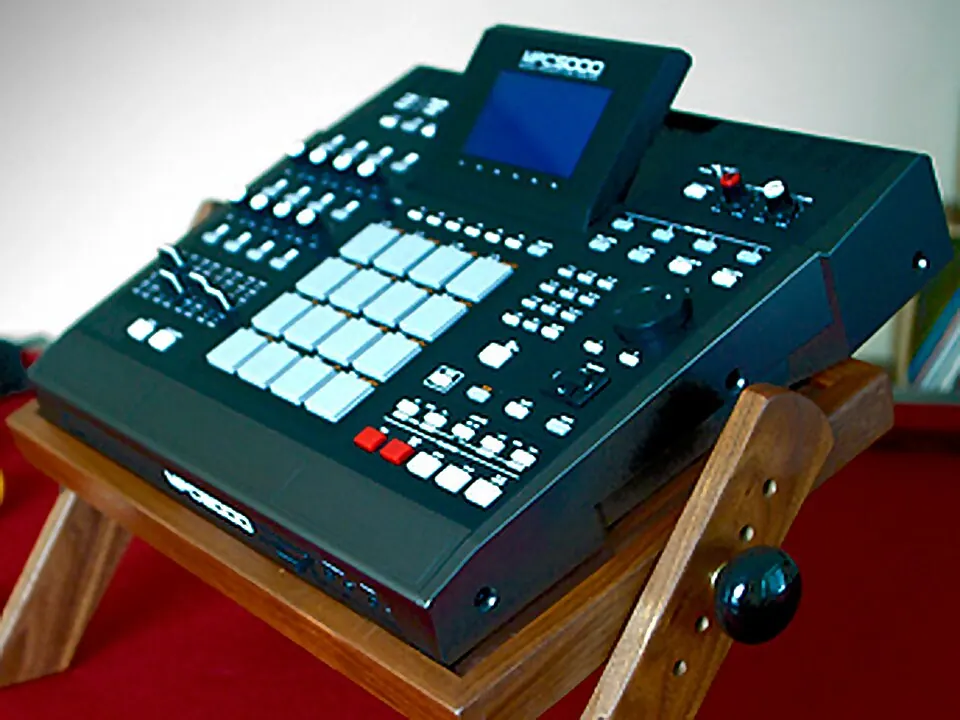
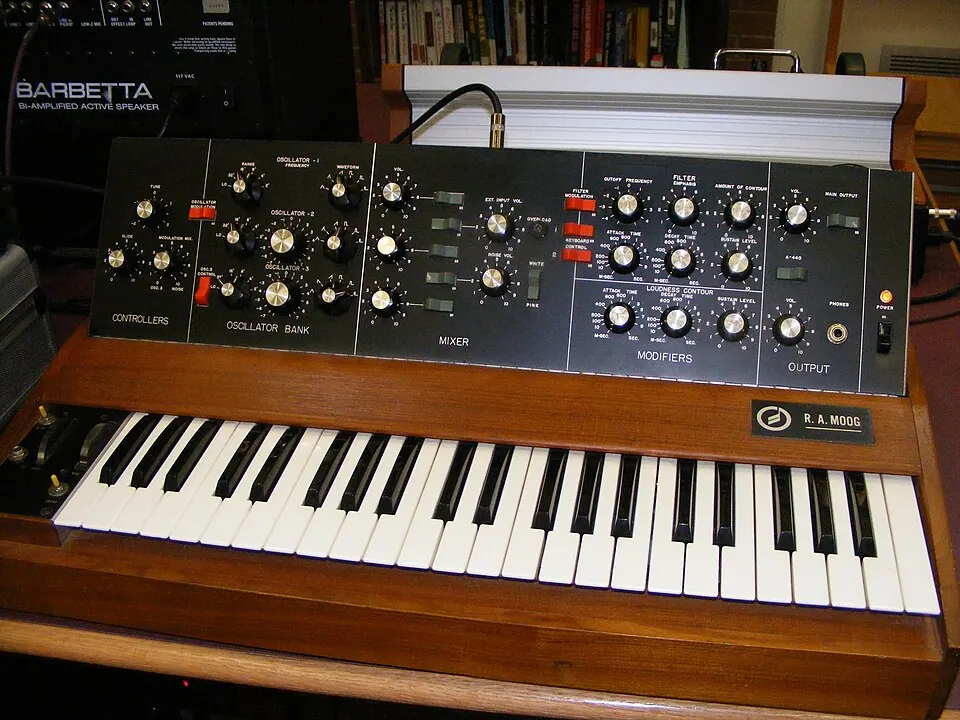
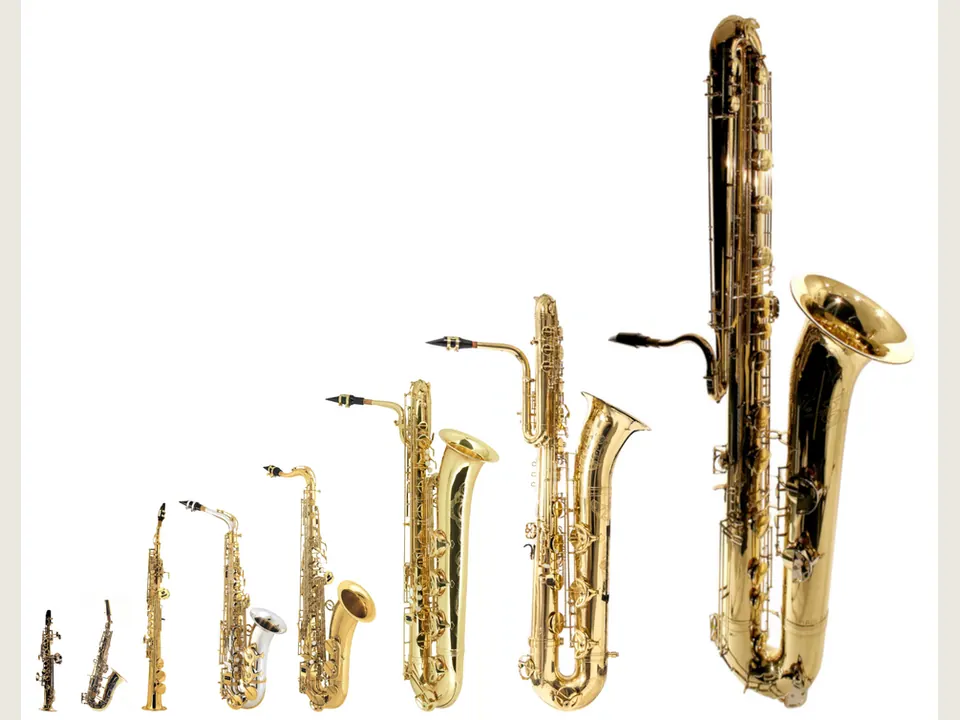
Winds
3 instruments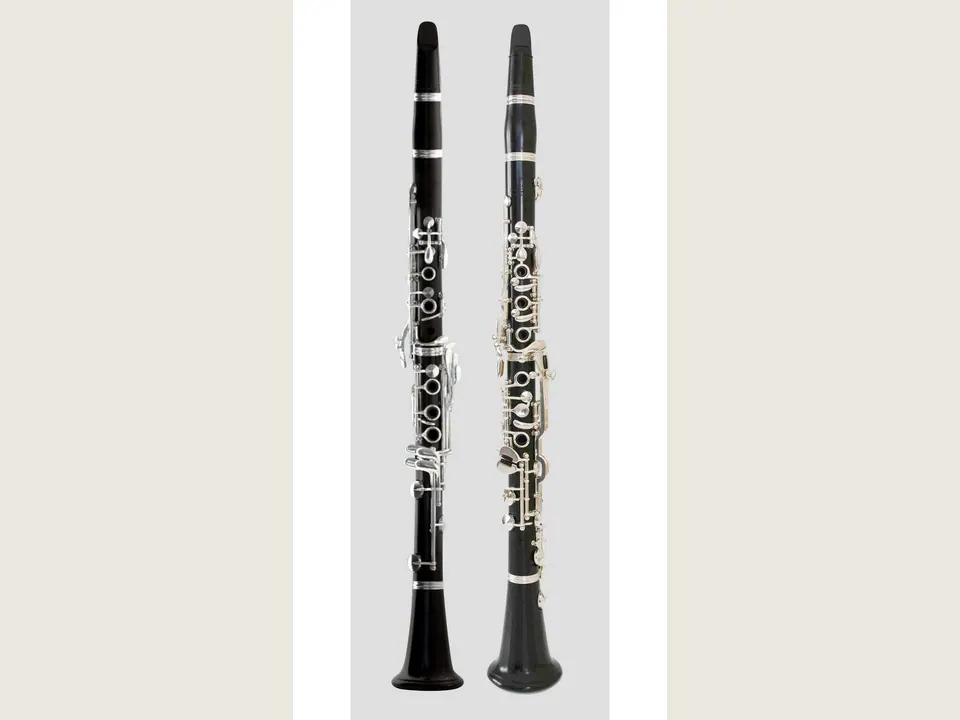
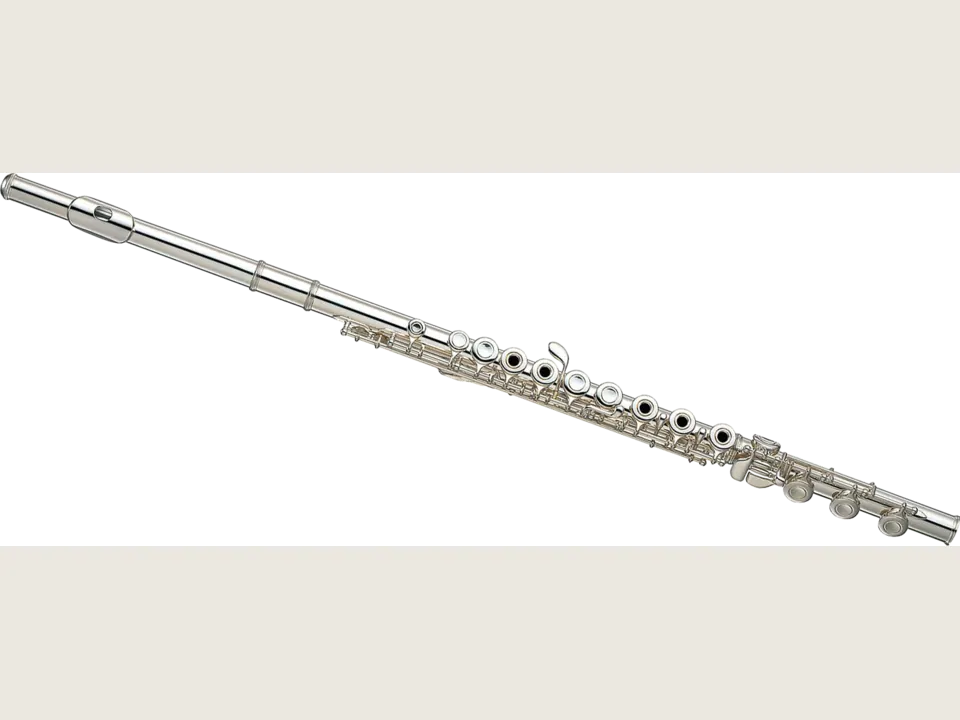
Percussion
7 instruments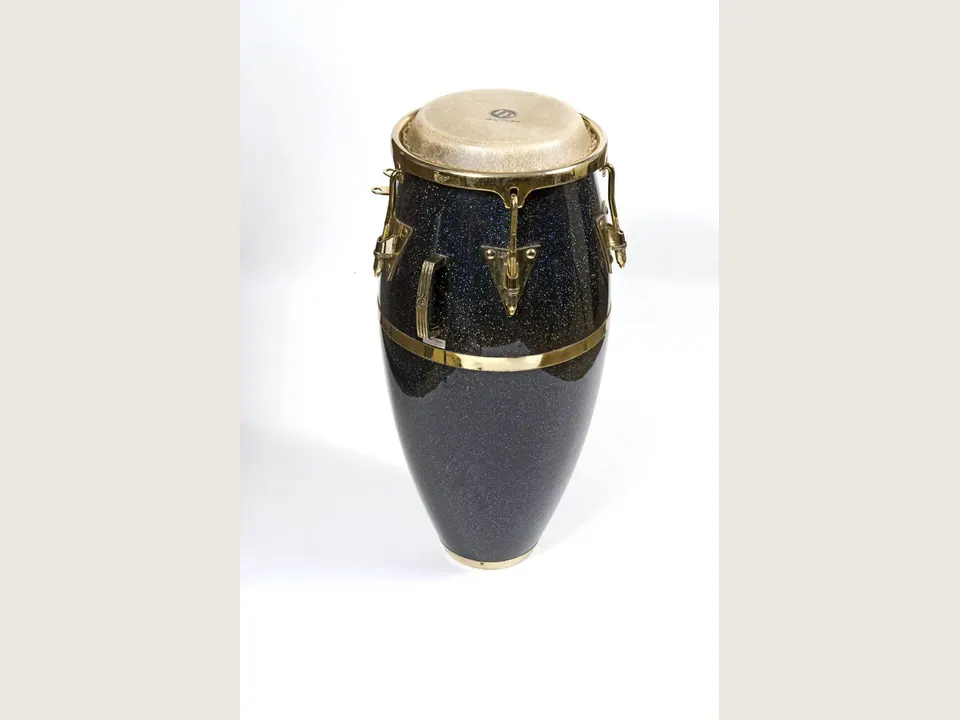 C
CCongas
Cuba, from drumming traditions of the African diaspora
Percussion
 D
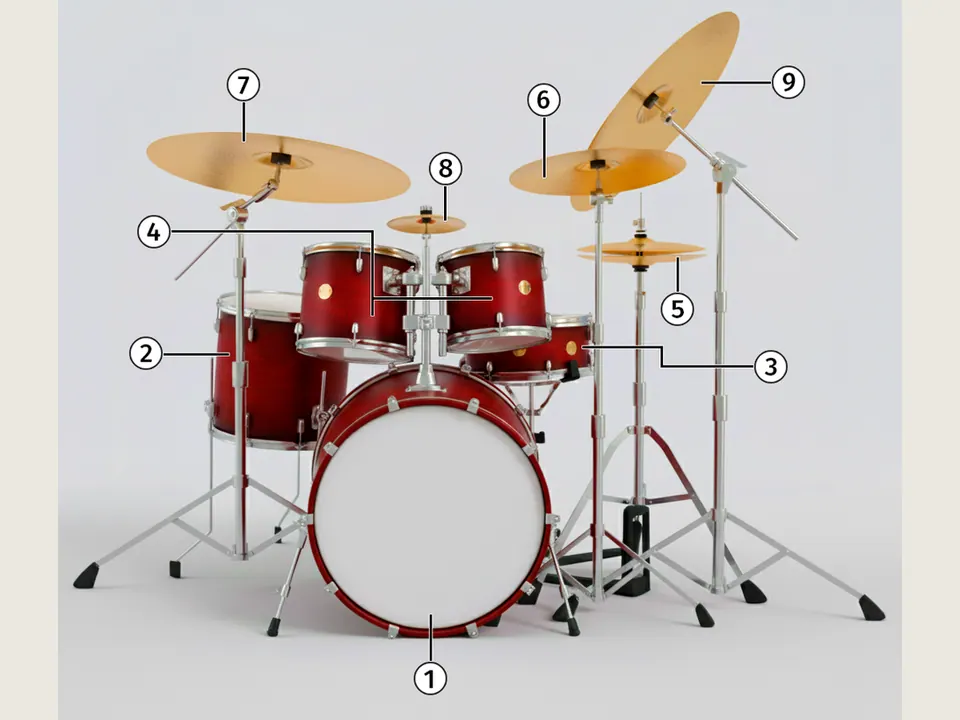
DDrum Kit
United States, late nineteenth to early twentieth century
Percussion
 T
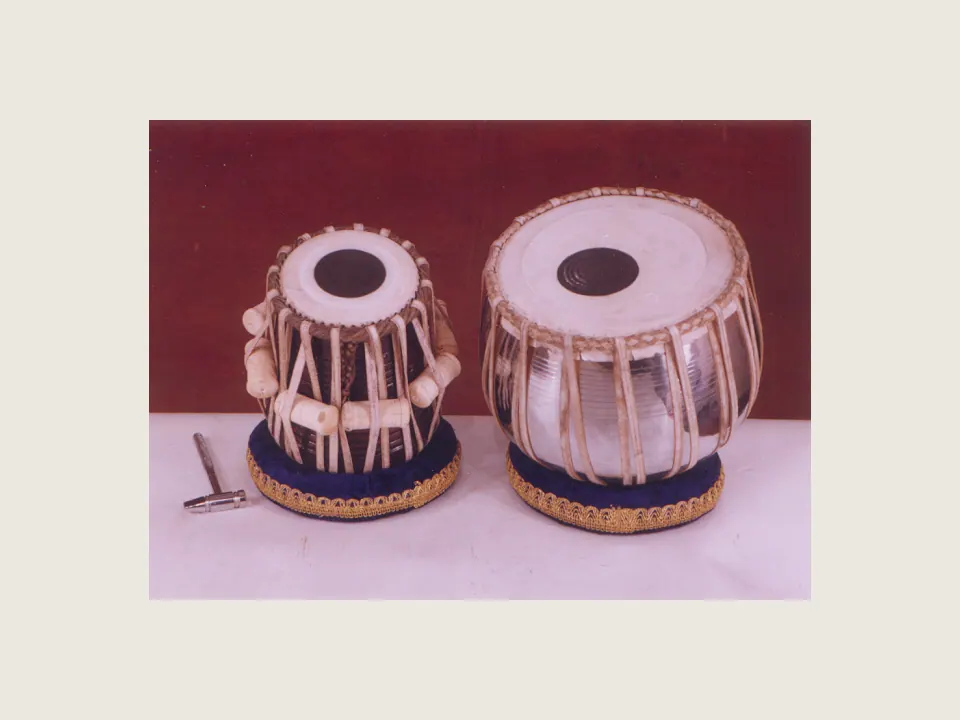
TTabla
North India, around the eighteenth century; precise origins remain debated
Percussion
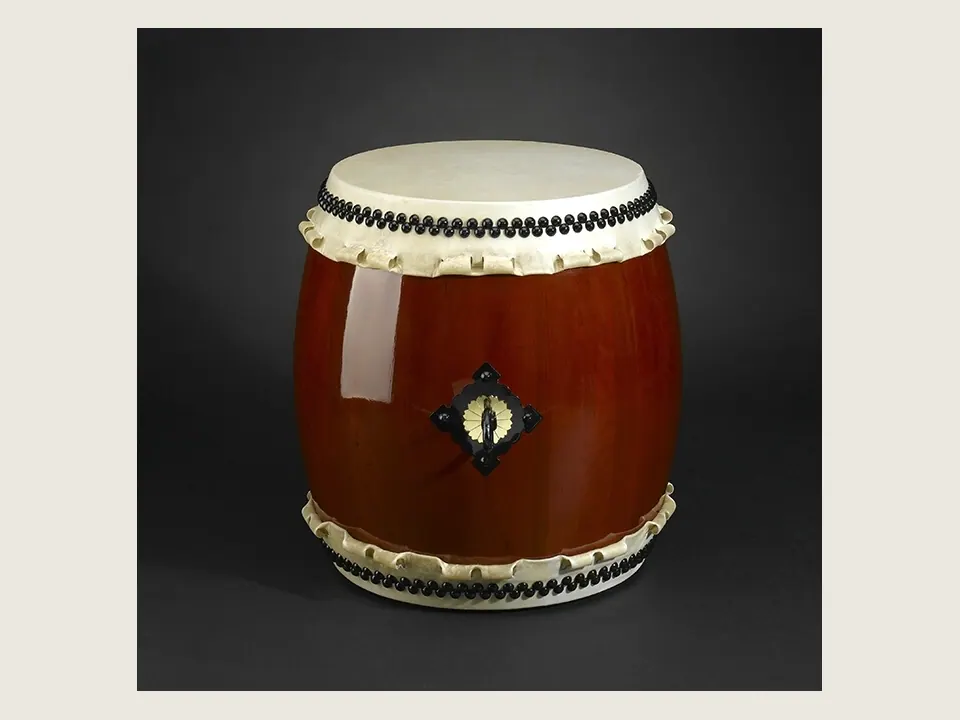 T
TTaiko
Japan; modern ensemble taiko developed after the 1950s
Percussion
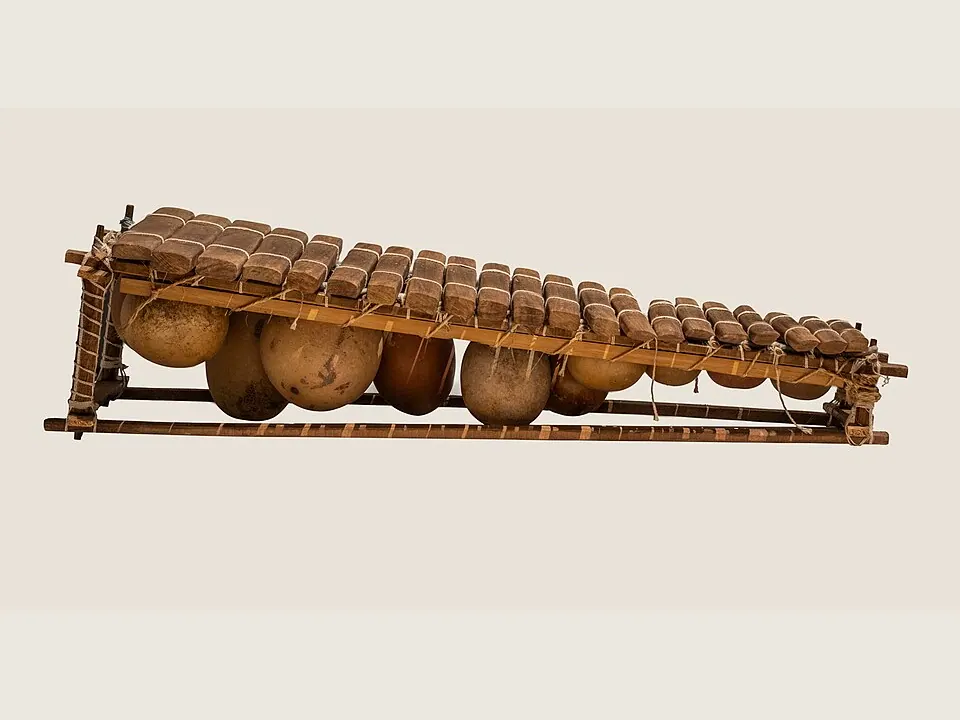 B
BBalafon
West Africa, especially Mande and neighboring cultures
Percussion
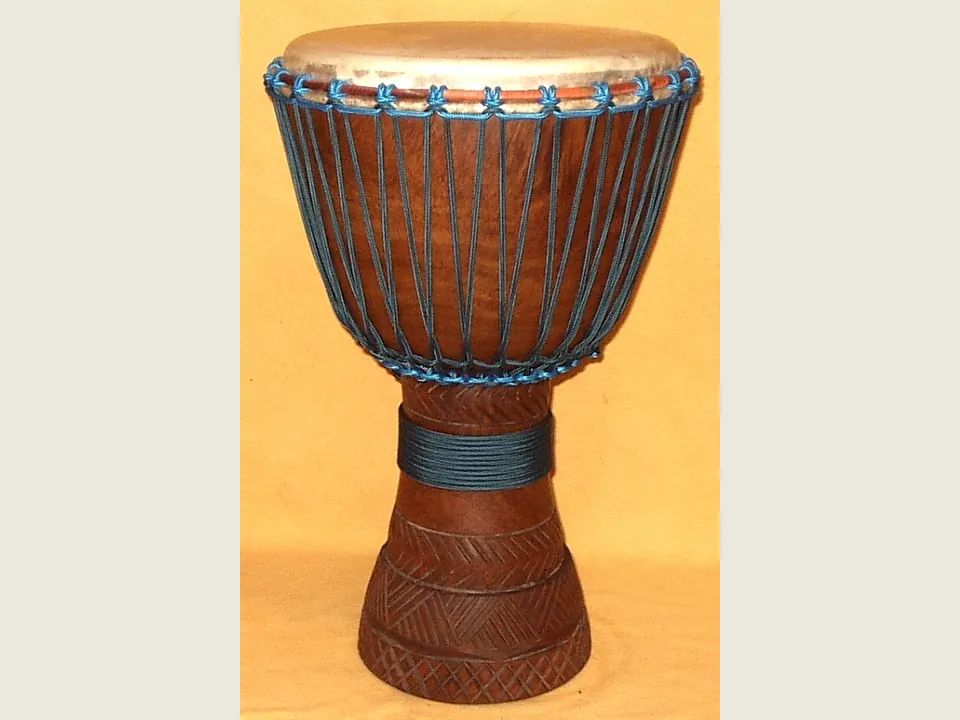 D
DDjembe
Mande cultural region of West Africa
Percussion
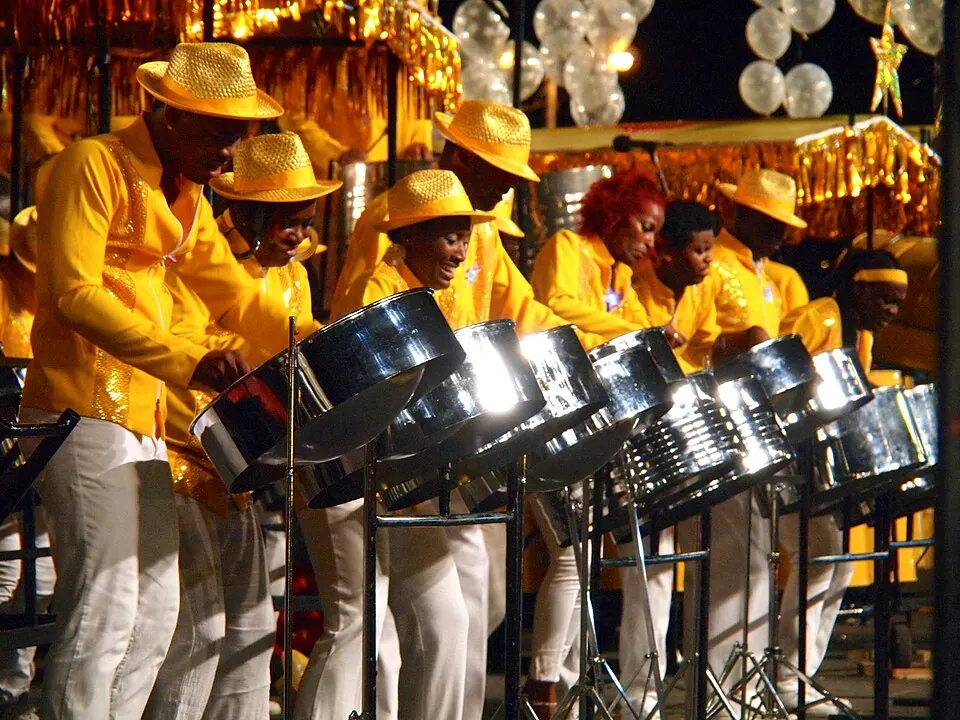 S
SSteelpan
Trinidad and Tobago, 1930s–1940s
Percussion