Sound and technology
Broadcast microphones and improved studios favoured polished arrangements and featured soloists.
Explore 1930s through technology, music industries, regional scenes and representative recordings—and hear why this decade differs from those around it.
Economic crisis and national radio networks reshaped the music business. Swing orchestras became a major popular sound while field recording preserved local traditions.
Broadcast microphones and improved studios favoured polished arrangements and featured soloists.
Touring bands and national radio networks connected local dance scenes to mass audiences.
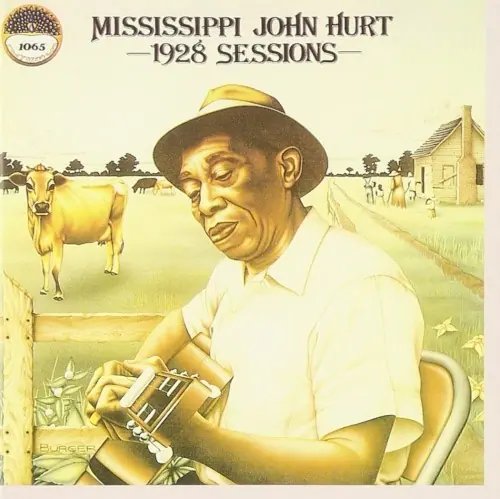
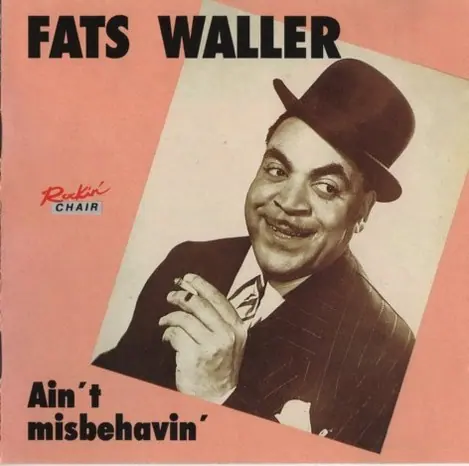
Contrast a tightly arranged swing performance with a field recording made outside the commercial studio system.
Ballrooms gathered large audiences for a single engagement, and radio extended a performance far beyond the venue. Tightly arranged, rhythmically steady swing supported social dancing and offered an affordable shared form of entertainment.
Genre and region are combined; only options with recordings from the 1930s are shown.
representative recordings are still being reviewed. Continue through the related topics above in the meantime.